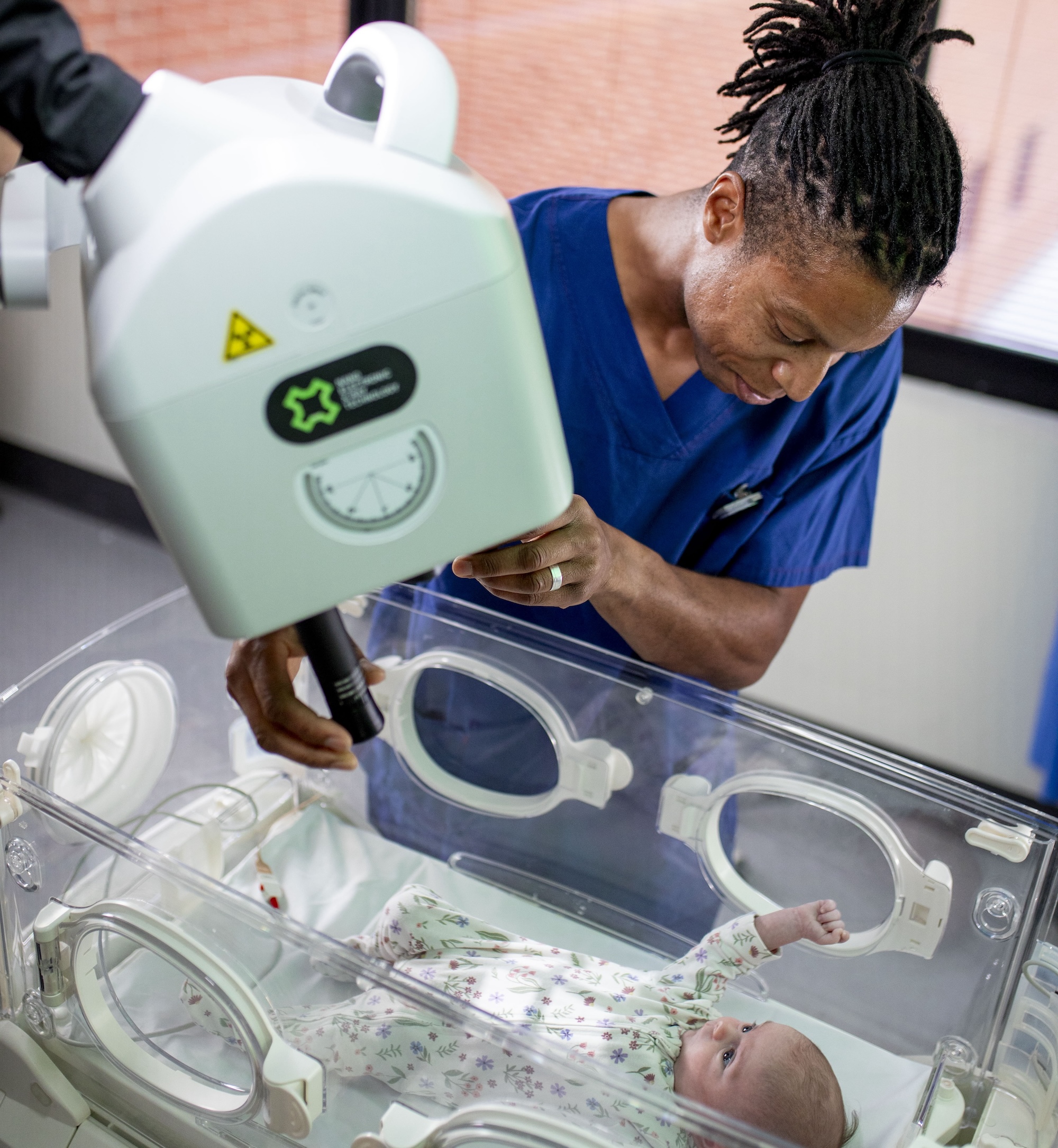

As healthcare delivery continues to shift toward faster, more decentralised models of care, Mobile Digital Radiography (DR) Systems are becoming increasingly important across emergency departments, intensive care units, operating theatres and remote care settings. Hospitals evaluating a new Mobile DR System are no longer considering image quality alone — they are assessing workflow efficiency, operational reliability, integration capabilities and long-term cost of ownership.
Choosing the right Mobile X-ray System can have a meaningful impact on patient flow, staff efficiency and the ability to deliver imaging at the point of care.
One of the primary reasons hospitals invest in mobile dr systems is to reduce the need for patient transport. In critical care environments, moving patients to fixed imaging suites can increase complexity, consume staff resources and potentially delay clinical decision-making.
When evaluating a mobile dr system, healthcare providers should consider:
Compact systems designed for bedside imaging may help improve workflow efficiency in high-demand environments such as ICU and emergency departments.
The Micro-X Rover Plus Mobile DR System was designed specifically with mobility and workflow in mind, featuring a lightweight form factor, long lasting battery and ergonomic positioning to support uninterrupted operation.
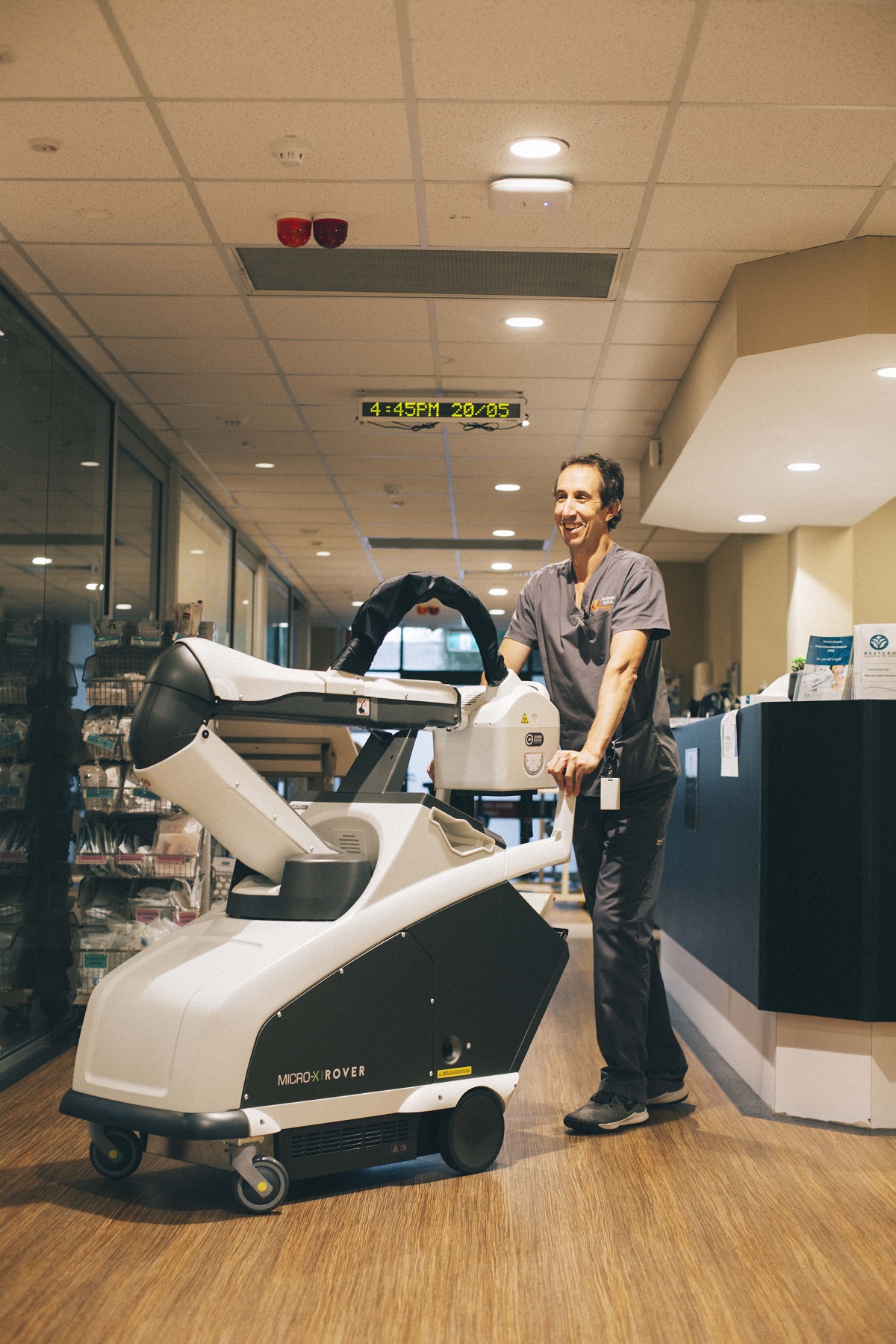
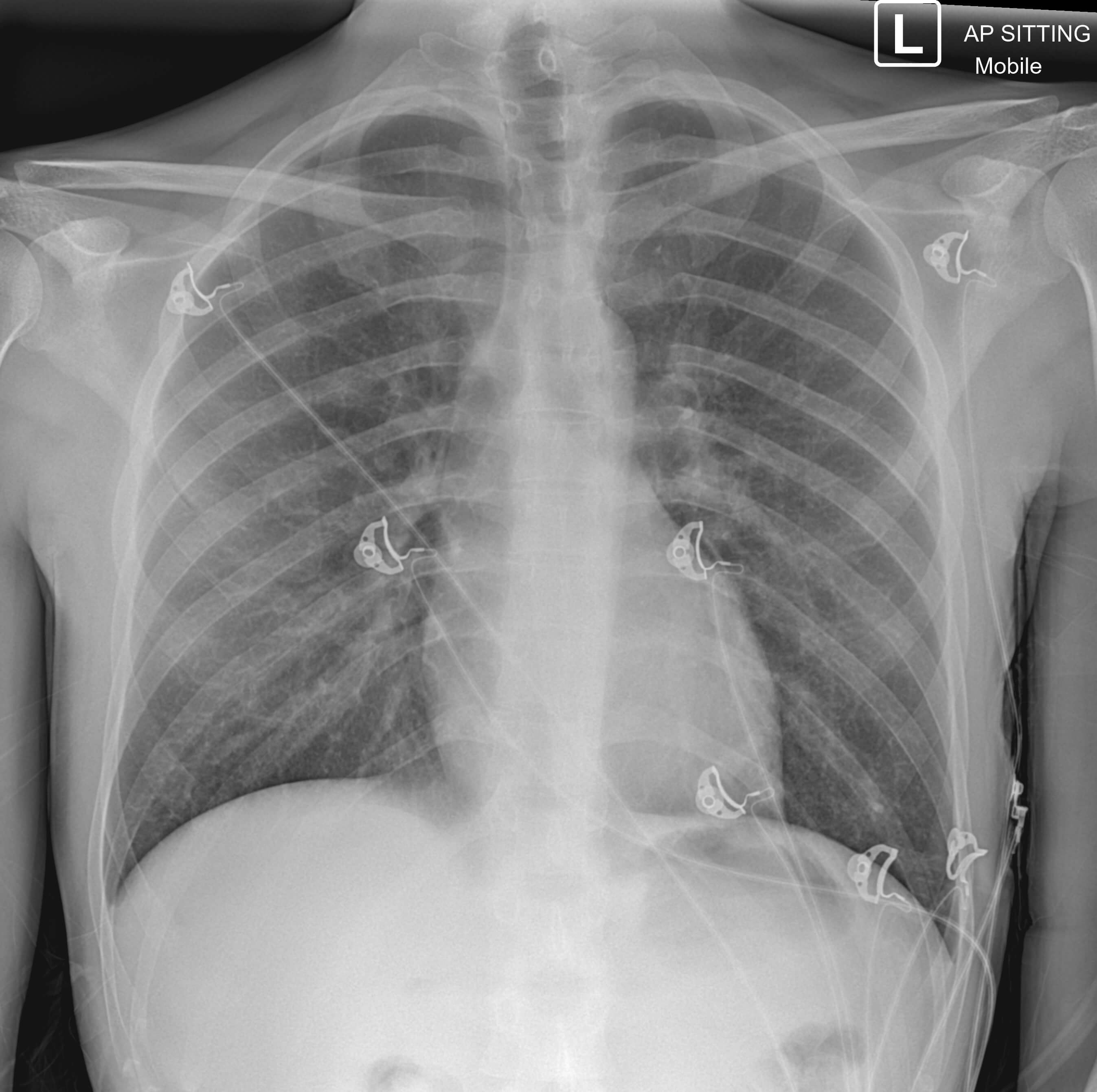
Image quality remains a critical consideration for any mobile radiography system. Hospitals should evaluate whether a system can consistently produce diagnostic-quality images across a wide range of patient presentations and clinical settings.
Key considerations include:
Importantly, hospitals should ensure that mobile imaging systems integrate effectively into existing radiology workflows without adding unnecessary complexity for operators.
Micro-X's Nano Electronic X-ray (NEX) Technology uses carbon nanotube cold cathode technology rather than traditional hot cathode tubes, enabling a compact system architecture designed to support mobile imaging workflows.
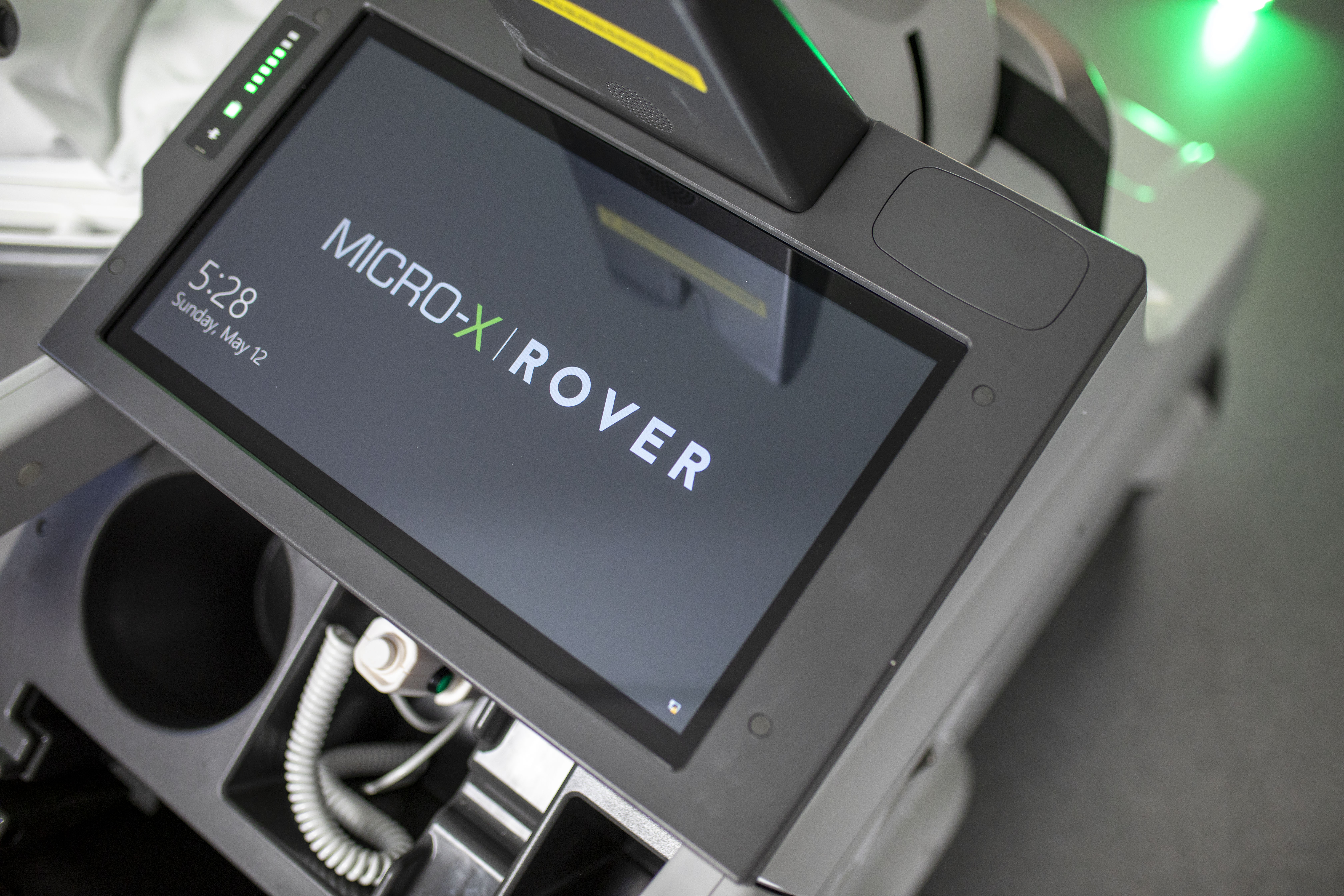
Modern hospitals require imaging systems that integrate seamlessly into broader healthcare infrastructure. A mobile dr system should support interoperability with:
Hospitals should also assess how easily systems can be deployed across multiple departments and whether software interfaces are intuitive for staff with varying levels of training.
Systems that support full DICOM integration and wireless image transfer may help streamline imaging workflows and reduce administrative burden.
For healthcare providers seeking scalable imaging infrastructure, interoperability is becoming increasingly important as hospitals adopt more connected and digital-first care models.
While upfront purchase price is often a major procurement consideration, hospitals are increasingly evaluating total cost of ownership over the lifecycle of the system.
Factors that may influence long-term operational costs include:
Hospitals should consider whether a system’s design may reduce maintenance complexity or support longer operational life.
The Rover Plus’ cold cathode NEX X-ray tube is intended to reduce servicing requirements and scheduled tube replacement associated with systems that operate using conventional x-ray tubes.
Dose optimisation remains an important consideration in mobile imaging, particularly in environments involving repeated imaging or vulnerable patient populations such as paediatrics, neonatal care and intensive care.
Hospitals evaluating Mobile DR Systems should assess:
Radiation dose considerations should always be evaluated in the context of clinical requirements and institutional protocols.
The Micro-X Rover Plus is designed to operate with lower radiation output and may support lower mAs imaging approaches in certain clinical workflows.
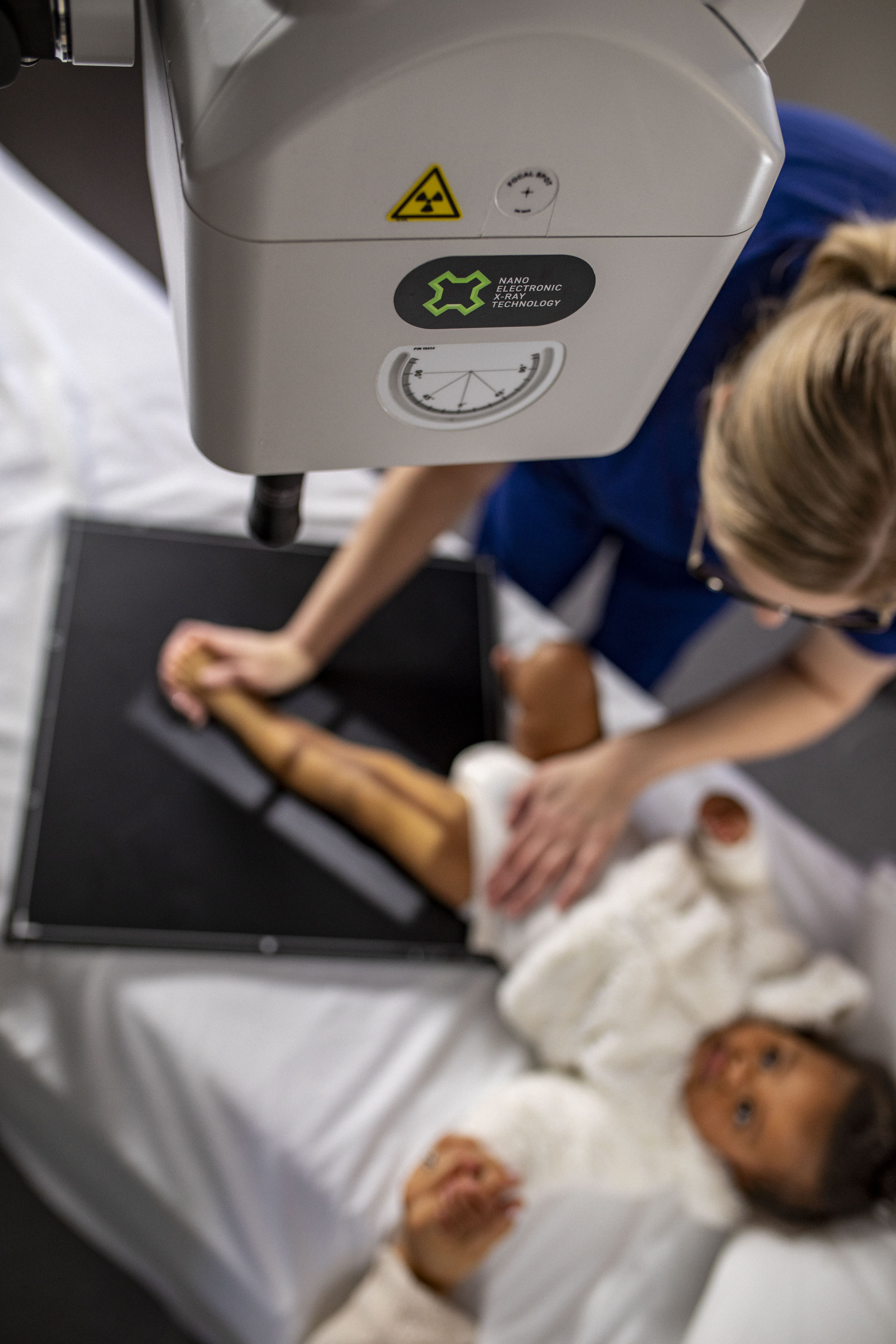
Healthcare systems globally are seeing increased demand for imaging solutions that support care closer to the patient. Mobile imaging is becoming increasingly relevant not only within hospitals, but also in:
As healthcare delivery evolves, hospitals may benefit from evaluating how mobile imaging systems fit within broader strategic priorities around flexibility, accessibility and operational resilience.
Micro-X has positioned its mobile imaging platform around the concept of delivering hospital-grade imaging in environments where rapid bedside access may be beneficial.
Selecting a mobile DR system is not simply about comparing technical specifications. Hospitals are increasingly evaluating how imaging systems contribute to workflow efficiency, clinician usability, operational sustainability and patient-centred care.
As imaging continues moving closer to the point of care, mobile dr systems are likely to play an increasingly important role in supporting modern healthcare delivery models.
To learn more about Micro-X’s approach to mobile imaging and Nano Electronic X-ray Technology, visit Micro-X Rover Plus Mobile DR.


CEO Kingsley Hall and Chief Operating Officer Anthony Skeats appear on the latest AUScelerate podcast talking about the development of Micro-X's unique and world-leading CT and X-ray platform.

Micro-X provides shareholders with an update on the Head CT human imaging trial, portable Full Body CT development, Lung CT research and the company's carbon nanotube imaging technology platform.
As healthcare delivery continues to shift toward faster, more decentralised models of care, Mobile Digital Radiography (DR) Systems are becoming increasingly important across emergency departments, intensive care units, operating theatres and remote care settings. Hospitals evaluating a new Mobile DR system are no longer considering image quality alone — they are assessing workflow efficiency, operational reliability, integration capabilities and long-term cost of ownership.

Micro-X creates revolutionary X-ray technology to better lives.
Our PurposeFind out how Micro-X is creating new opportunities for industries across the world.
Find out moreThey’re the visionaries and innovators behind our X-ray technology, products, culture and ethos.
Meet the team
