
A transformation in medical CT. Applying NEX Technology to expand access to advanced medical imaging, and to take it beyond the boundaries of today's care.
Four priorities. Grow Rover sales: a scalable, profitable business that funds our future in CT. Focus on medical CT: Head CT first, with Full Body CT funded by ARPA-H. Deliver funded development: programs that bring in revenue and build our CT capability. Reduce and control costs: more than $3M a year in savings, with stronger financial controls.
The first quarter of the reset, delivered. 17 Rover units ordered across the September quarter and October. First human Head CT images, shown at the World Stroke Congress. Prototype Full Body CT engineering prototype producing images since October.

Quarterly reports, half-year and annual reports, and investor presentations, newest first.
Download our 2024 Annual Report 

Please contact research analysts listed below to receive their latest research on Micro-X.
Scott Power, Morgans Financial
1800 777 946


Micro-X is listed on the Australian Securities Exchange (ASX), trading as MX1. Automic Group maintains our ASX shareholder registry. For all enquiries relating to your shareholding, contact:
Level 5, 126 Phillip Street
Sydney NSW 2000
Australia
Phone: 1300 288 664
hello@automic.com.au
www.automicgroup.com.au
Shareholders can access information on their holding online with Automic.
Overseas investors can purchase ASX-listed shares, including Micro-X, through a number of local brokers. Please enquire with your broker if they enable you to trade ASX shares, or contact us to help identify a broker at:



CEO Kingsley Hall and Chief Operating Officer Anthony Skeats appear on the latest AUScelerate podcast talking about the development of Micro-X's unique and world-leading CT and X-ray platform.

Micro-X provides shareholders with an update on the Head CT human imaging trial, portable Full Body CT development, Lung CT research and the company's carbon nanotube imaging technology platform.
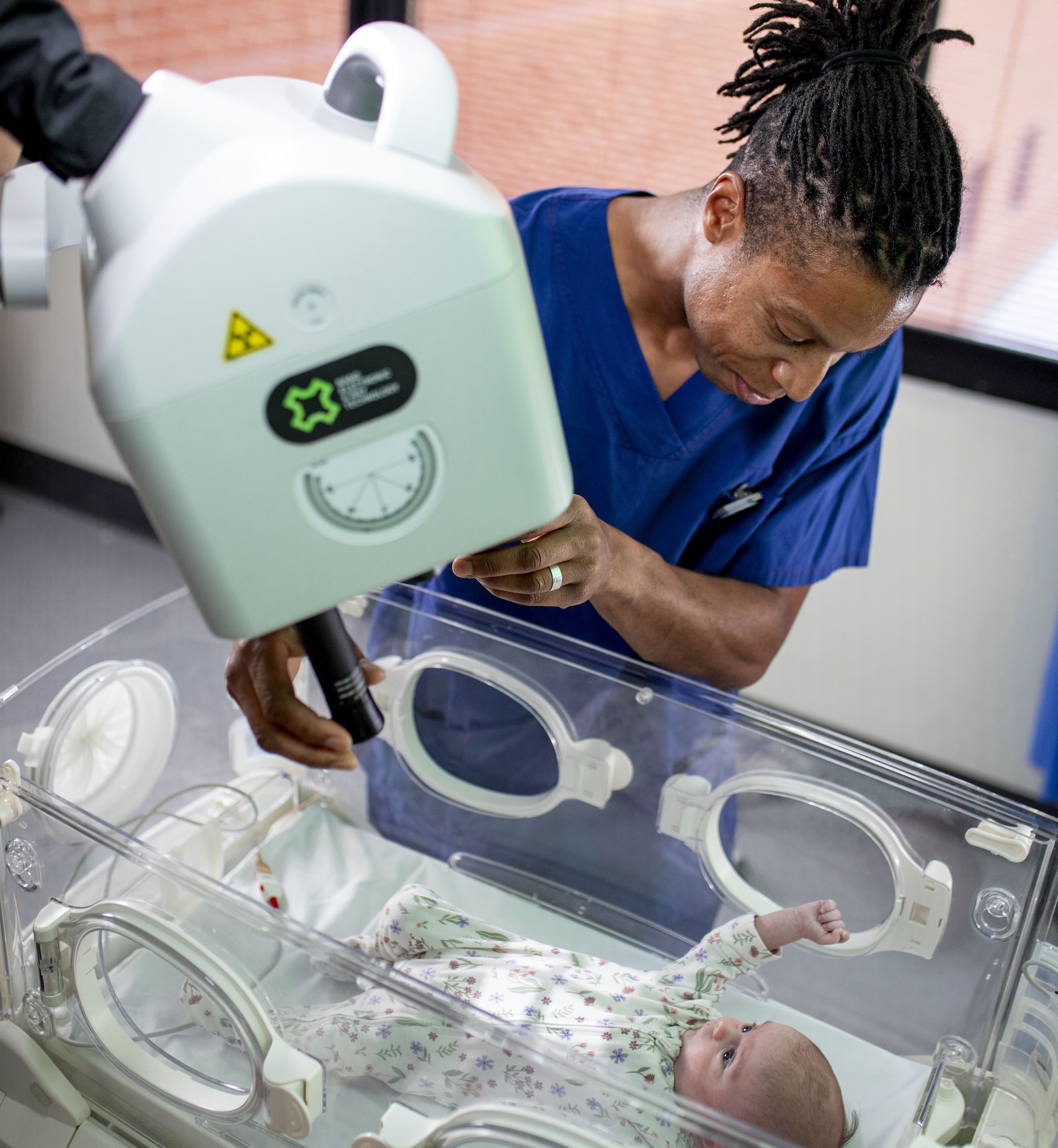
As healthcare delivery continues to shift toward faster, more decentralised models of care, Mobile Digital Radiography (DR) Systems are becoming increasingly important across emergency departments, intensive care units, operating theatres and remote care settings. Hospitals evaluating a new Mobile DR system are no longer considering image quality alone — they are assessing workflow efficiency, operational reliability, integration capabilities and long-term cost of ownership.


